Kraków attracted artists for centuries — and many of them stayed. Matejko painted Polish history on vast canvases, Wyspiański designed stained glass and wrote plays, Kantor invented a new kind of theatre, Penderecki heard music others couldn't. This trail leads to the places where they lived and worked.
Visual arts — following the painters and artists
Jan Matejko (1838–1893)
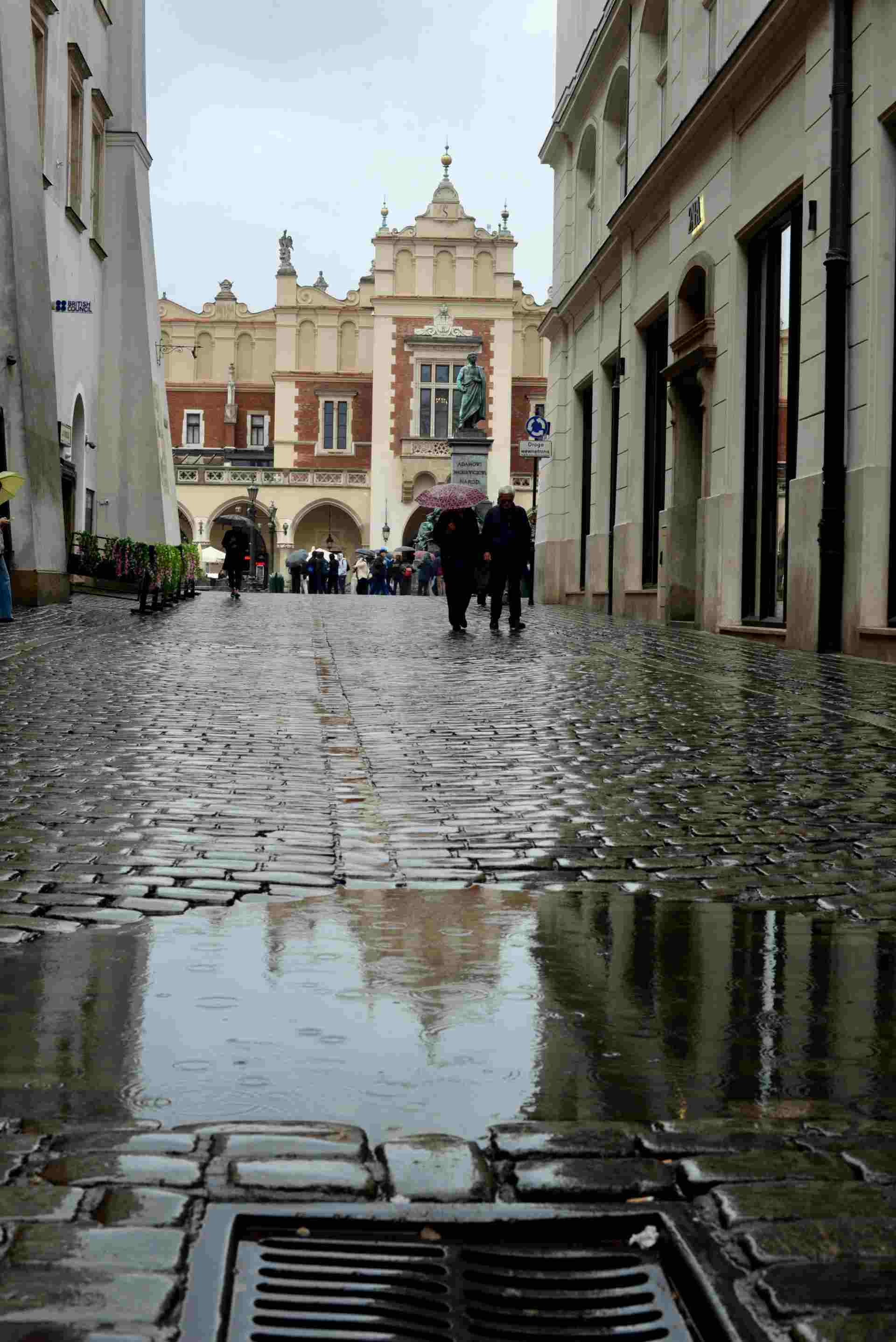
Poland's greatest historical painter lived and worked in Kraków his entire life. The Matejko House at ul. Floriańska 41 is now a museum — preserved studio interiors, personal effects. The gallery in the Cloth Hall (Sukiennice, upper floor, National Museum) holds several of his largest canvases, including Prussian Homage. Separate entrance from the main gallery.
Stanisław Wyspiański (1869–1907)
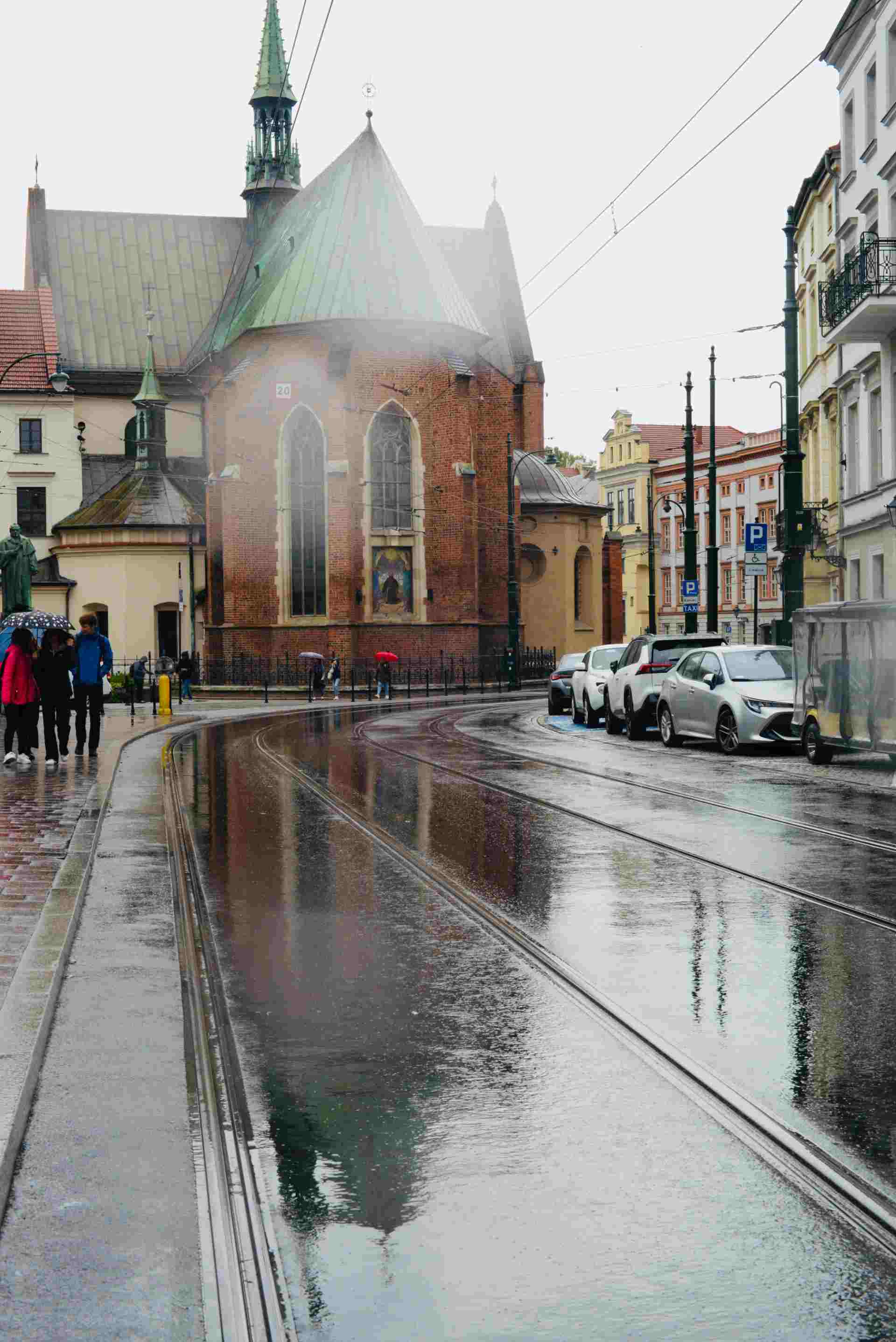
Painter, playwright, designer — working in all media simultaneously. His stained glass windows in the Franciscan Church (Plac Wszystkich Świętych) are a masterpiece of Polish Art Nouveau: enormous, vivid, with the famous figure of God the Father. Free entry outside services. Come in sunlight — the windows live when the sun passes through them.
Tadeusz Kantor (1915–1990)
Creator of Cricot 2 Theatre, one of the most influential figures in 20th-century theatre. The Dead Class and Wielopole, Wielopole shook world theatre. Cricoteka at ul. Nadwiślańska 2–4 in Podgórze documents his work and hosts exhibitions. cricoteka.pl
Leonardo da Vinci in Kraków
The Czartoryski Museum (ul. św. Jana) holds Lady with an Ermine — one of the very few Leonardo da Vinci paintings outside Italy. Tickets online, queues in season. The rest of the collection is also worth the time.
The Academy of Fine Arts and today's artists
The Academy of Fine Arts (Plac Jana Matejki) exhibits student and faculty work — usually free. Szał or Tuluz art supply shops on ul. Floriańska — materials and design items for working artists. MOCAK (Zabłocie) — Poland's most important contemporary art museum.
Music — following composers and performers
Krzysztof Penderecki (1933–2020)
One of the most important composers of the 20th century. Born in Dębica, but Kraków was his city — he studied at the Academy of Music here and led the institution for years. The Kraków Philharmonic (ul. Zwierzyniecka 1) regularly programmes his work. Check the schedule. filharmonia.krakow.pl
Academy of Music and the Opera
The Academy of Music (ul. św. Tomasza 43) holds student concerts — often free or a token admission. The Kraków Opera (ul. Lubicz 48) programmes opera and ballet, tickets from 40 PLN.
Piwnica pod Baranami
An artistic cabaret operating continuously since 1956. For decades the centre of Kraków's cultural life. Rynek Główny 27. Check the current programme — they have both open and closed evenings.
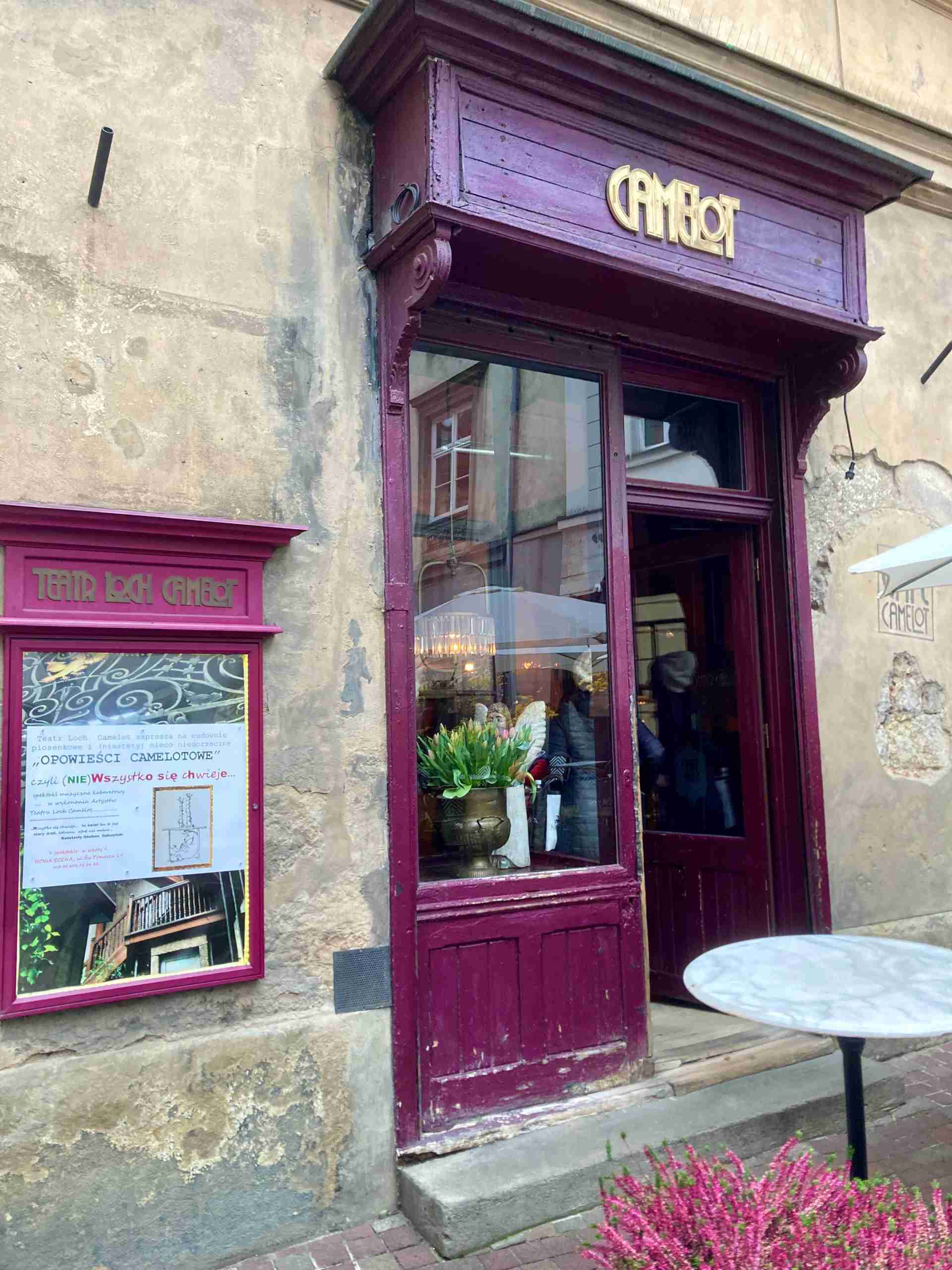
Camelot — where artists, academics, students and everyone else sit together