Kraków has one of the densest theatre networks in Poland. From 19th-century national stages to experimental basements and puppet theatre — a new production bill on every street. Here is a guide to the stages worth knowing.
Słowacki Theatre
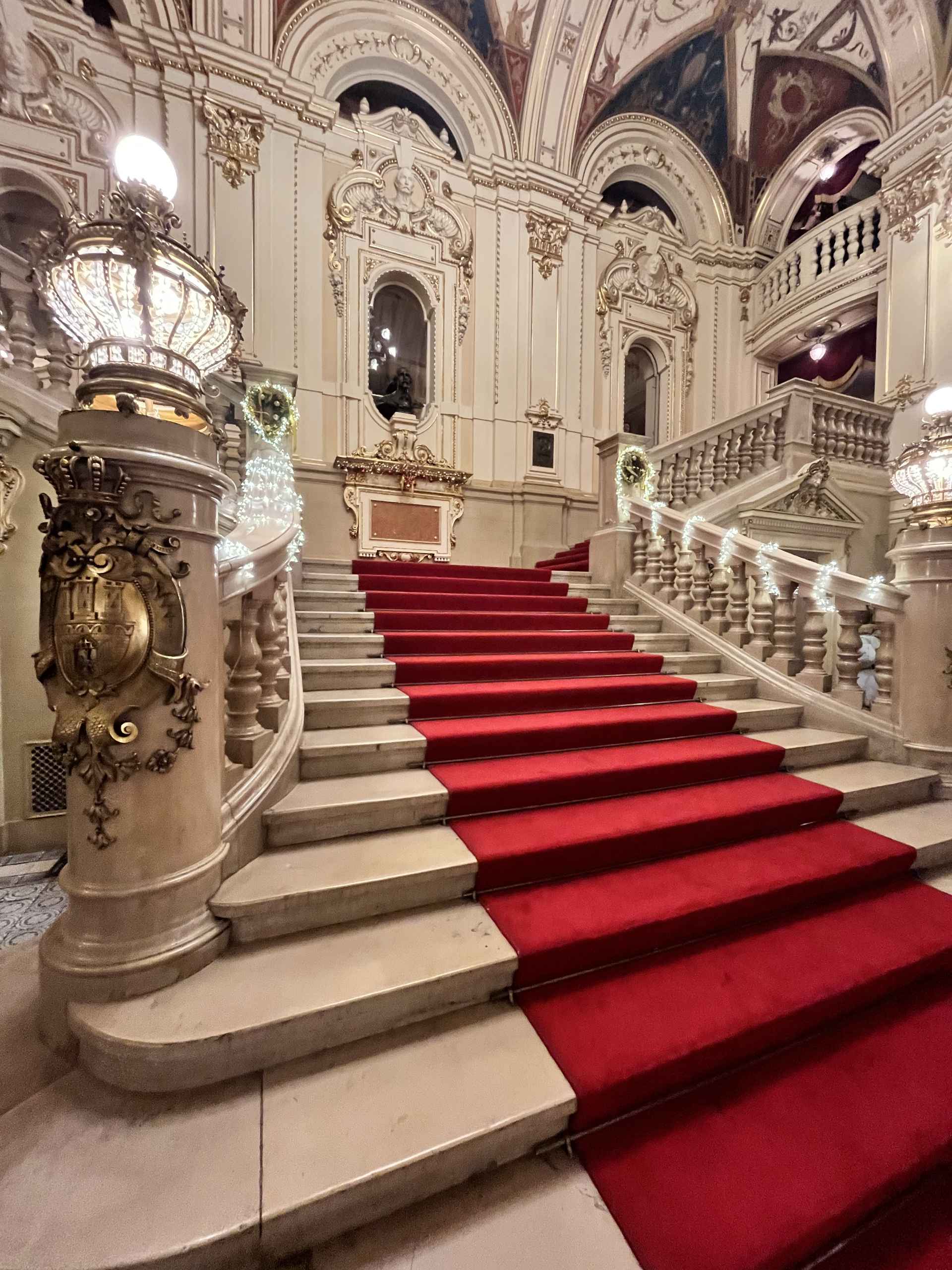
Built in 1893, modelled on the Paris Opera. One of the most beautiful theatre interiors in Poland — gilded boxes, ceiling paintings, marble staircases. The lobby is free to enter: worth going in even without a ticket. Repertoire: Polish and European classics. slowacki.krakow.pl
Stary Teatr (Old Theatre)
Poland's most important drama stage. Konrad Swinarski and Andrzej Wajda created productions here that changed the history of European theatre. Several venues in the centre, main stage at ul. Jagiellońska. stary.pl
Teatr STU
At al. Krasińskiego, one of Kraków's legendary student theatres — active since 1966. Jerzy Stuhr and Krystyna Janda started here. Today a repertory stage with ambitious productions and a character unlike any other theatre in the city. → Map
Cricoteka — Tadeusz Kantor's theatre
Cricoteka is not just a museum — it's the documentation centre and continuation of Tadeusz Kantor's work, one of the most influential theatre artists of the 20th century. Kantor worked in Kraków; his productions The Dead Class and Wielopole, Wielopole shook world theatre. The building above the Vistula in Podgórze is spectacular. cricoteka.pl
Teatr Łaźnia Nowa
In Nowa Huta, at os. Szkolnym — one of the most interesting alternative theatres in Poland. Off-repertoire, frequent premieres, regular guest at European festivals. Tram from the centre about 25 minutes. laznianowa.pl
Bagatela and Groteska
Bagatela (ul. Karmelicka) — comedies, musicals, family shows. Lower prices than Słowacki, lighter atmosphere. Groteska — puppet theatre with ambition: children's productions are as thoughtful as those for adults.